





After Falling To Provide Electricity For Nigerians, Tinubu Budgets N1.9Billion On Fuelling Aso Villa Generators
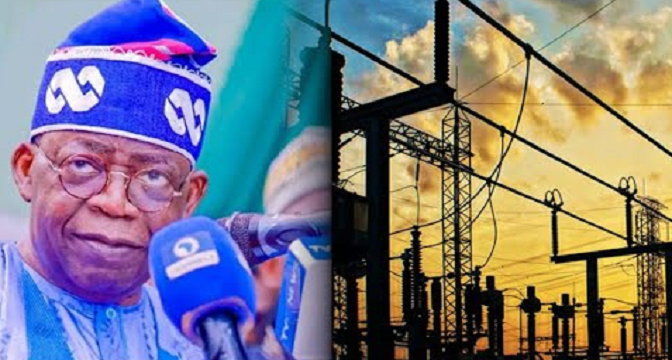
Three years after Bola Tinubu promised Nigerians constant electricity and told voters not re-elect him for a second term if he fails within four year, the former Lagos State Governor has budgeted N1.9 billion for the fueling State House generators, an testament that the promise might remain unkept 2026.
Since taking office, the Tinubu administration has faced significant criticism over persistent power outages, frequent national grid collapses, and a 240% increase in electricity tariffs.
However, the situation is not showing any sign of ease, after a review of Nigeria’s 2026 budget document showed that a sum of N1.9 billion has been budgeted for the fueling of generators at the State House, also known as the Aso Rock Villa.
The budget line item, listed under the “State House Headquarters,” was described as “Plant and Generator fuel cost,” with a total of N1.989 billion earmarked for the purpose.
In addition, the State House plans to spend N17.2 million on generator maintenance in the 2026 fiscal year.
This brings the total amount earmarked for generator fueling and maintenance at the Aso Rock Villa in 2026 to approximately N2 billion.
This development comes despite an earlier allocation of N7 billion in the 2026 budget for the solarisation of the Aso Rock Villa. A similar project had N10 billion set aside for it in the 2025 fiscal year.
Details published by the Budget Office of the Federation listed the allocation under State House expenditures. The N7 billion was described as “provision of solarisation of Villa with solar mini grid.”
The move to develop a solar grid for Aso Rock, which houses the President and other top Presidency officials, comes amid persistent power failures experienced by average Nigerians across the country.
In April 2025, following public outrage over the initial N10 billion budget for the solarisation of the Aso Rock Villa, the Tinubu administration defended its decision.
The Presidency justified the approval of the N10 billion solar energy project for the State House, Aso Rock, describing it as a strategic long-term investment in sustainability and energy efficiency.
The defence came amid mounting public criticism over the cost and timing of the initiative, given Nigeria’s economic challenges and growing concerns about government spending.