



‘We Governors Don’t Know What Was Passed By Tinubu Government’: Oyo Governor Raises Alarm Over Tax Bill (VIDEO)
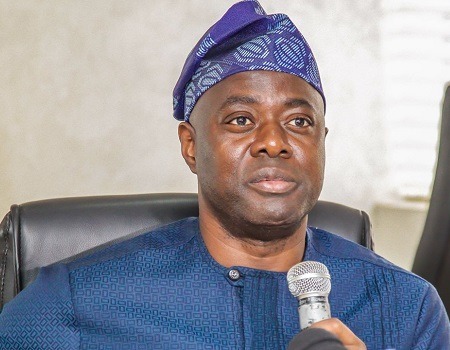
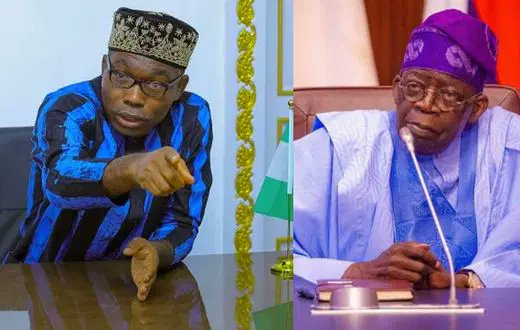
Oyo State Governor, Seyi Makinde, has condemned how the Tinubu Government handled the controversial tax, saying neither state governors nor Nigerians know what was eventually passed by the National Assembly or signed into law.
Makinde spoke while addressing former Vice President Yemi Osinbajo at a public event, where he openly expressed regret over Osinbajo’s exit from office, citing what he described as a decline in openness and consultative governance under the current administration.
“Sir, I personally, I miss you in that position. A lot of people may not know why. Things are not really the same,” Makinde said.
The governor reflected on events during the COVID-19 crisis in early 2020, shortly after he assumed office, describing a tense National Economic Council (NEC) meeting where a nationwide lockdown was proposed.
“I was barely seven months into the position of governor, and that was my first public service job. There was COVID. We came in for the National Economic Council meeting. It was a hot meeting,” Makinde said.
According to him, some governors pushed for an immediate lockdown of all states, but Osinbajo, who chaired the council at the time, allowed room for dissenting views and alternative approaches.
“For Oyo state people, why I did not lock down during COVID was because of his decision,” Makinde noted, implying that Osinbajo’s leadership style allowed governors to make context-specific decisions.
Makinde said the same spirit of consultation was absent in the handling of the recent tax bill, which has generated widespread controversy and accusations of being rushed through the legislative process.
“We had the same situation in this dispensation. It was the tax bill. And we said, look, bring the tax bill back. Let us all have an opportunity to look dispassionately at it,” he said.
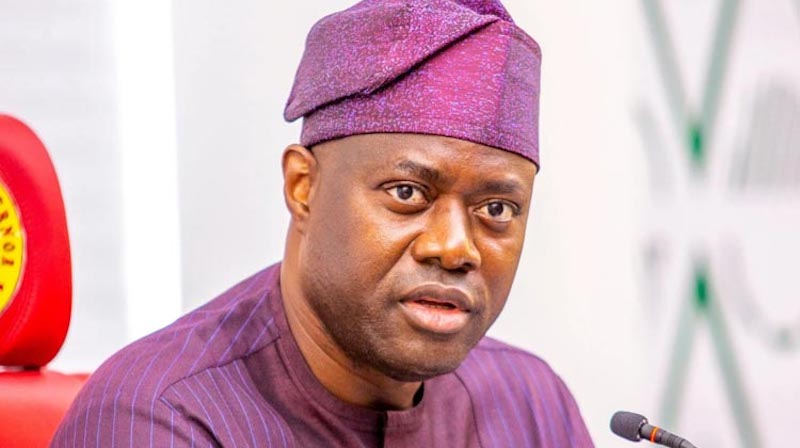
He alleged that objections raised by governors were dismissed and described the response from the Federal Government as intolerant of dissent.
The tax bill has continued to draw criticism from state governments, civil society groups and policy analysts, many of whom argue that its passage lacked transparency and meaningful consultation, raising concerns about its implications for federalism and fiscal governance in Nigeria.
The House of Representatives had confirmed that there was an illegal alteration of Nigeria’s newly gazetted tax reform laws.
The House Minority Caucus Ad-hoc Committee probing alleged alteration of the tax reform laws reported evidence of unauthorized changes to some of the tax reform laws recently passed by the National Assembly and signed into law by Bola Tinubu.