







REPORT: Nigeria Among Top Hunger-Inflicted Countries, 13 Million Children to Face Malnutrition in 2026
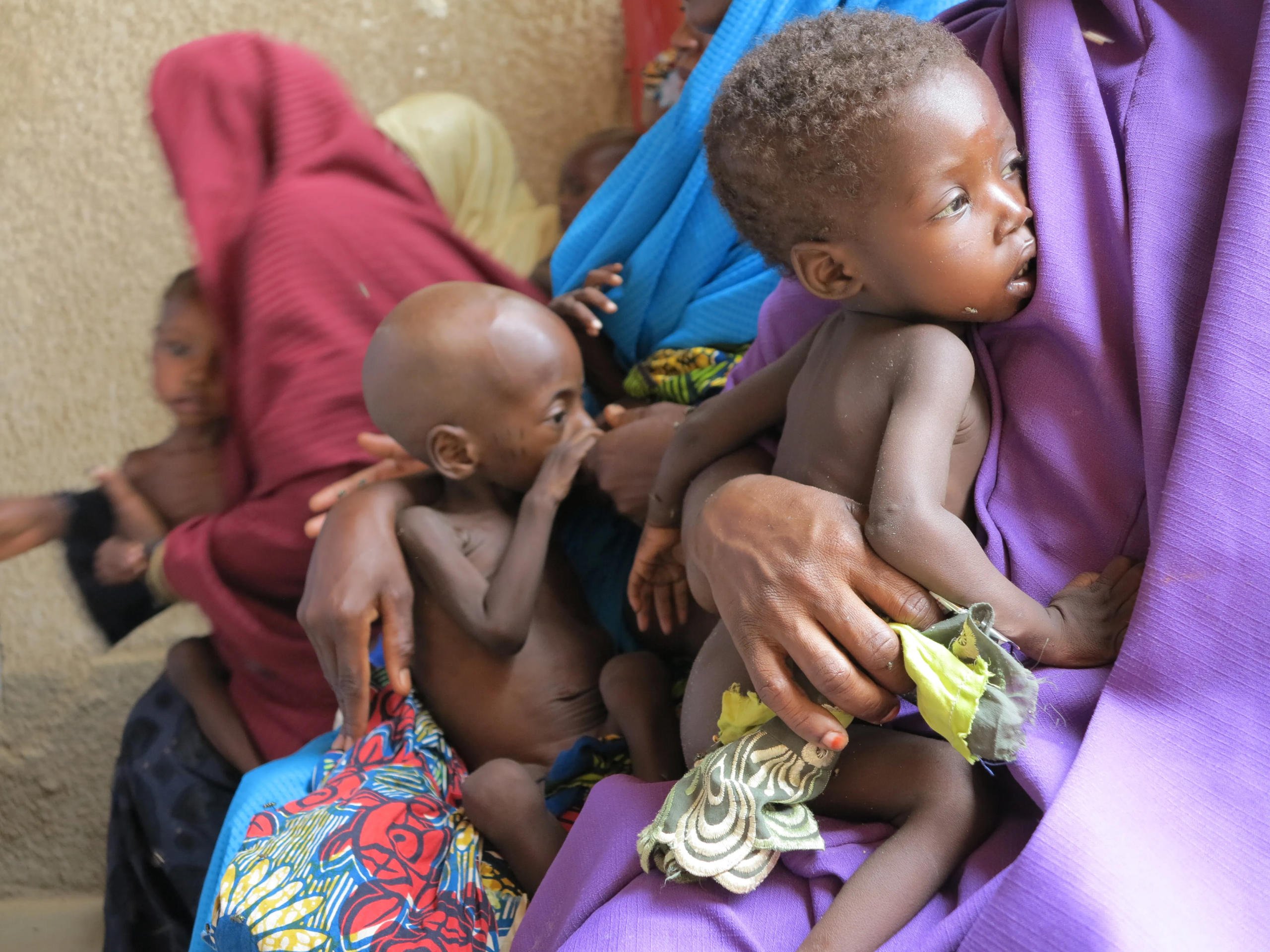
The United Nations World Food Programme has revealed that the worsening food insecurity, driven by conflict, displacement, and deepening aid cuts, has placed Nigeria among the four most affected countries, alongside Chad, Cameroon, and Niger, to face hunger in 2026.
The agency remarked that no fewer than 55 million people across West and Central Africa are expected to face crisis levels of hunger or worse during the June–August 2026 lean season, unless urgent funding and humanitarian action are mobilised.
The warning was contained in a statement published on its website and released on Friday, as the agency projected that more than 13 million children across the region would suffer acute malnutrition in 2026.
In Nigeria, the WFP raised alarm over about 15,000 people in Borno State who are now at risk of catastrophic hunger, known as IPC Phase 5, for the first time in nearly a decade, amid prolonged insurgency and shrinking humanitarian support.
According to the latest Cadre Harmonisé analysis, the West and Central African equivalent of the Integrated Food Security Phase Classification, over three million people are expected to face emergency levels of food insecurity (IPC Phase 4) this year, more than double the 1.5 million recorded in 2020.
The statement read, “The United Nations World Food Programme warns that without urgent resources and action, the most vulnerable people in West and Central Africa are headed for yet another dire year.
“A staggering 55 million people in the region are expected to endure crisis levels of hunger, or worse, during the June–August 2026 lean season. Over 13 million children are also expected to suffer from malnutrition in 2026.
“Four countries – Nigeria, Chad, Cameroon, and Niger – account for 77 percent of the food insecurity figures, including 15,000 people in Nigeria’s Borno State at risk of catastrophic hunger (IPC-5) for the first time in nearly a decade.”
“The reduced funding we saw in 2025 has deepened hunger and malnutrition across the region,” said Sarah Longford, WFP’s Deputy Regional Director for West and Central Africa.
READ ALSO: Dying Agriculture In North; Deliberate Attempt By Tinubu Govt To Cripple Region — Farmer
“As needs outpace funding, so too does the risk of young people falling into desperation. It’s critical that we support communities in crisis, so that rampant hunger doesn’t drive further unrest, displacement, and conflict across the region,” she added.