




“We Must Remove This Government, Else We Perish,” Ibrahim Abdulkarim Declares Amid Reports of discrepancies in Gazetted Tax Reform Laws
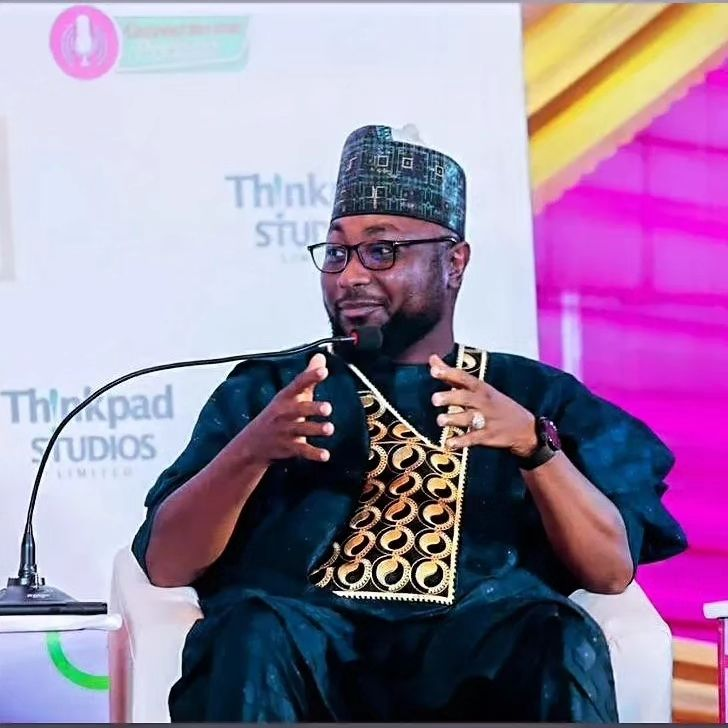
Prominent Nigerian techpreneur and philanthropist Ibrahim H. Abdulkarim has issued a stark warning to Nigerians, calling for unified action to remove the current administration, amid fresh controversies surrounding the country’s tax reforms.
In a widely shared post on X (formerly Twitter) on Wednesday, Abdulkarim quoted a statement from former presidential candidate Peter Obi criticising the lack of transparency in a tax cooperation Memorandum of Understanding (MoU) between Nigeria and France.
Attaching a video clip from the House of Representatives plenary session where a lawmaker raised concerns over discrepancies in the tax reform laws, Abdulkarim wrote:
“We MUST come together and remove this government or else we will perish. We MUST replace it with a competent and honest leadership.

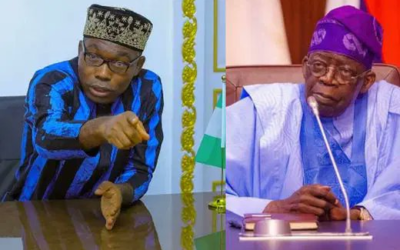
The post, which has garnered over 1,000 likes and hundreds of reposts within hours, reflects growing public frustration with the Bola Tinubu-led government, particularly over economic policies and perceived lapses in governance transparency.
The attached video features Rep. Abdulsammad Dasuki (PDP, Sokoto), who during Wednesday’s House plenary raised a point of privilege, claiming that the officially gazetted versions of the 2025 Tax Reform Acts – including the Nigeria Tax Act, Nigeria Tax Administration Act, Nigeria Revenue Service Act, and Joint Revenue Board Act – contain “notable discrepancies” from the harmonised bills debated and passed by the National Assembly earlier this year.
Dasuki told the House that he personally reviewed the documents over three days, comparing the gazetted copies (purchased from the Ministry of Information) with the Votes and Proceedings from both the House and Senate.
“What is before Nigerians… the gazette copies are not what was passed,” he stated, warning that publishing altered laws undermines legislative integrity and violates the Constitution.
Speaker Tajudeen Abbas acknowledged the concern, assuring members that appropriate action would be taken, including a potential review by the Committee of the Whole.
The tax reform bills, signed into law by President Tinubu in June 2025 after contentious debates and regional opposition, aim to modernise Nigeria’s tax system, unify fiscal legislation, and improve revenue administration.
However, reports of discrepancies in the gazetted versions – the authoritative public record – have sparked accusations of procedural irregularities and further eroded public trust.
Abdulkarim’s call for regime change echoes broader discontent, amplified by Peter Obi’s earlier criticism of the opaque Nigeria-France tax MoU, which reportedly involves French AI tools for tax audits but raises data sovereignty concerns.
Obi urged the government to publish the full agreement and prioritise local expertise amid widespread poverty and economic strain affecting over 60% of Nigerians.
As reactions pour in on social media, with many describing the alleged discrepancies as a “serious constitutional breach” or even an “impeachable offense,” the incident adds to mounting pressure on the administration.
Critics argue it exemplifies a pattern of governance challenges, while supporters await official clarification.
The House is expected to investigate the claims, potentially laying documents side-by-side for scrutiny.
In a nation grappling with inflation, unemployment, and policy fatigue, voices like Abdulkarim’s underscore a deepening call for accountability and systemic renewal ahead of the 2027 elections.
A New Nigeria, as both Obi and Abdulkarim assert, remains a rallying cry for many seeking change.