






N1.6bn UNILAG Hostel Built by Tinubu’s Chief of Staff, Femi Gbajabiamila, with Taxpayers’ Money Now Rents for Nearly N1m Per Bed Space — Report
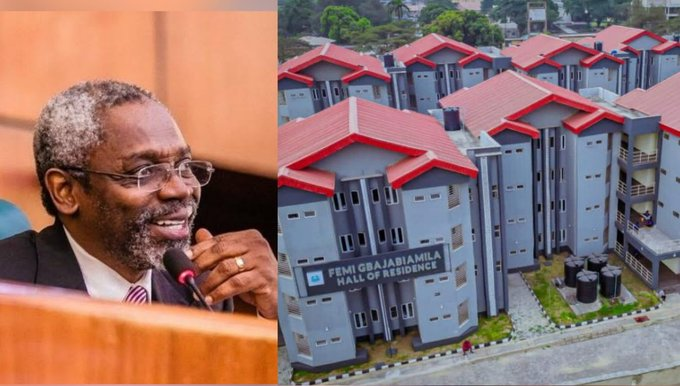
The N1.6 billion student hostel built with public funds at the University of Lagos (UNILAG) to ease accommodation shortages is now being rented for as much as N950,000 per bed space per session, sparking concerns over affordability and the use of taxpayers’ money.
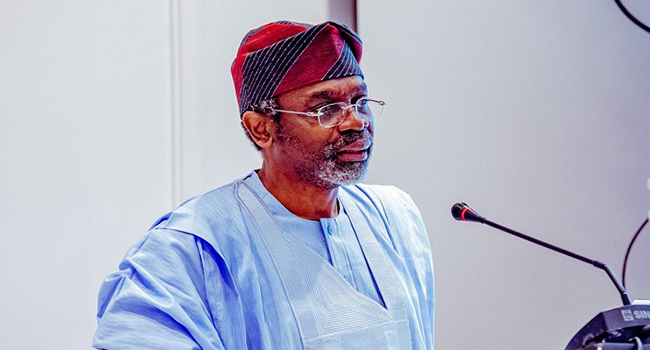
An investigation by BusinessDay revealed that the facility, linked to Gbajabiamila, who currently serves as Chief of Staff to Bola Ahmed Tinubu, has effectively been transformed into a commercial hostel, placing it beyond the financial reach of many students it was intended to support.
The project, officially titled “Construction and Furnishing of a 484-bed Landmark Student Hostel,” was executed under the 2020 Zonal Intervention Project and inaugurated in January 2024. The hostel comprises single-occupancy rooms and four-man en-suite apartments designed to provide improved living conditions for students.
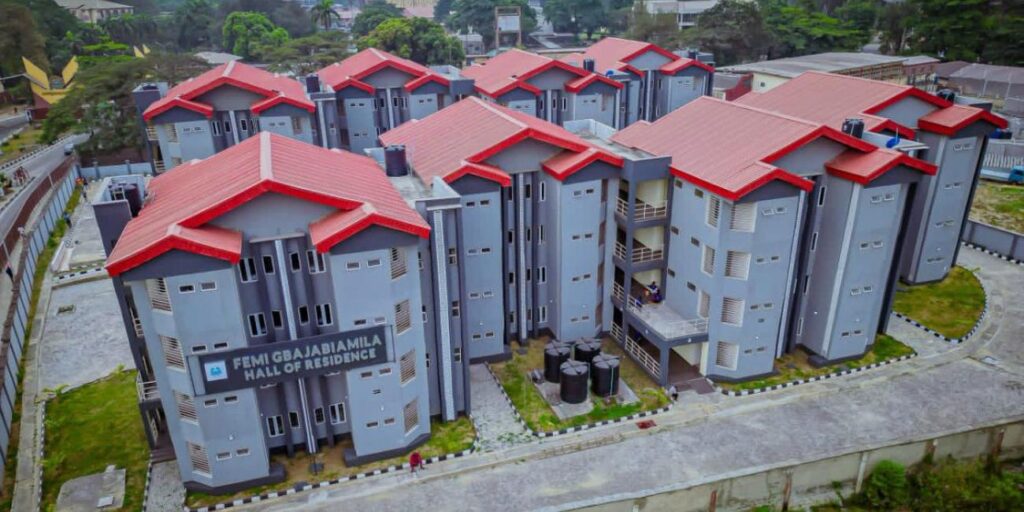
However, findings show that students are now required to pay about N950,000 per session for single rooms and N710,000 per bed space in four-man rooms—rates comparable to privately owned hostels around the university.
A law student, Jude Egbas, told BusinessDay that expectations were high at the time of commissioning, but the outcome has been disappointing. He noted that the cost of accommodation at the facility, popularly referred to as Gbajabiamila Hall, is as expensive as, or even higher than, some private hostels off-campus.
READ MORE: Peter Obi’s Commitment To Education Could Rescue Nigeria From Terrorism – Salako
The report underscores the worsening accommodation crisis at UNILAG, where a student population exceeding 50,000 competes for fewer than 8,000 bed spaces in university-managed hostels.
As a result, many students are pushed into costly off-campus housing. One student, Chinedu Obote, recounted relocating to Egbeda, about 25 kilometres from the campus, after failing to secure a hostel space. He said he spends approximately N8,000 daily on transportation, a burden that has significantly affected his academic focus.
Another student, Williams Motunrayo, disclosed that she pays N700,000 to share a room with five others—an amount more than three times her tuition fee of N220,000. She described the situation as difficult to comprehend, questioning why accommodation costs should exceed school fees.
Similarly, Damilare Ibiyemi said he pays N700,000 for a bed space, noting that the high cost of housing often forces students to prioritise accommodation over tuition due to intense competition for limited spaces.
BusinessDay further found that the pricing structure of the Gbajabiamila Hall mirrors that of private hostels, including the ULWS Hostel, raising questions about why a publicly funded project is being operated on a commercial basis.
The development has triggered criticism from stakeholders, who argue that the initiative has failed to achieve its primary objective of providing affordable accommodation for students, highlighting a growing disconnect between government intervention projects and the realities faced by beneficiaries.