





Nigeria To Face Total Darkness As Electricity Workers Activate Strike After 21-Day Ultimatum
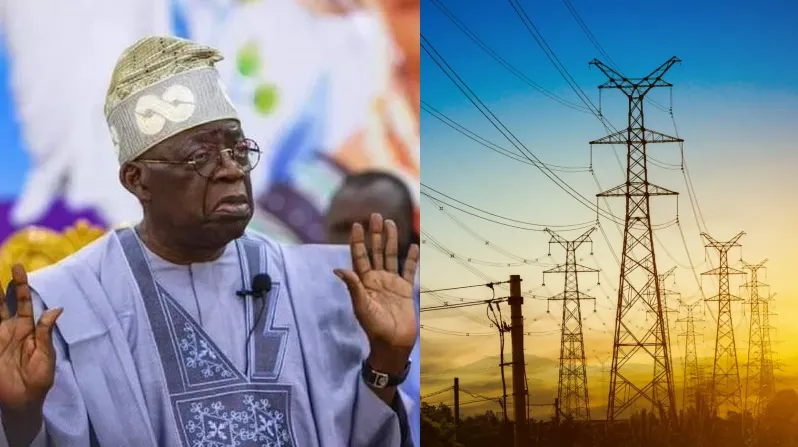
Nigeria is bracing for a possible nationwide blackout after electricity workers began mobilising for industrial action on Tuesday, following the expiration of a 21-day ultimatum issued to the Federal Government.
The National Union of Electricity Employees (NUEE) had warned back in late January that it would not hesitate to down tools if longstanding grievances in the power sector were not addressed.
That deadline has now passed with no meaningful resolution, and union sources say preparations are well under way for what could be a crippling strike across generation, transmission, and distribution companies.
Many Nigerians woke up to the news with a familiar sense of dread.
Power supply has long been erratic in most parts of the country, with households and businesses often getting just a few hours of electricity a day—if they’re lucky.
A full withdrawal of services by the workers could push the already fragile national grid to complete collapse, leaving homes, hospitals, schools, and small enterprises in the dark for who knows how long.
The union’s complaints centre on issues that have simmered for months: poor working conditions, unpaid or delayed allowances, job insecurity, failure to implement agreed wage increases, and what they describe as anti-labour practices by some generation and distribution companies.
Workers feel squeezed—tariffs have gone up for consumers, yet their own take-home pay and welfare have barely improved.
Some have pointed to non-remittance of deducted taxes and pensions, adding to the frustration.
One union official, speaking anonymously, told reporters that the government had plenty of time to sit down and talk but chose not to act.
“We gave them 21 clear days. Nothing happened.
Now our members are ready to defend their rights the only way left to us.” The timing could hardly be worse.
The economy is still feeling the pinch from inflation, high fuel costs, and other pressures.
Many small businesses rely on generators to keep the lights on and machines running, but even fuelling those comes at a steep price.
Hospitals depend on steady power for life-saving equipment, while students preparing for exams struggle without light to read or charge devices.
Social media has been buzzing with reactions since the announcement broke.
Some people expressed anger at the government for letting things reach this point again, while others sympathised with the workers, saying they too deserve better pay and conditions in such a tough job.
A few posts carried the weary tone of Nigerians who have heard similar warnings before:
“Another strike, another blackout. When will this cycle end?”
For now, no official statement has come from the Ministry of Power confirming talks or concessions, though past experience suggests last-minute negotiations often happen when the lights start going out.
Whether that will be enough to avert a full shutdown remains to be seen.
As things stand, millions of Nigerians are left hoping for a quick resolution—before the darkness sets in for real.