





Tinubu Signs Controversial Electoral Act Amendment into Law Amid Irregularities and Fierce Opposition
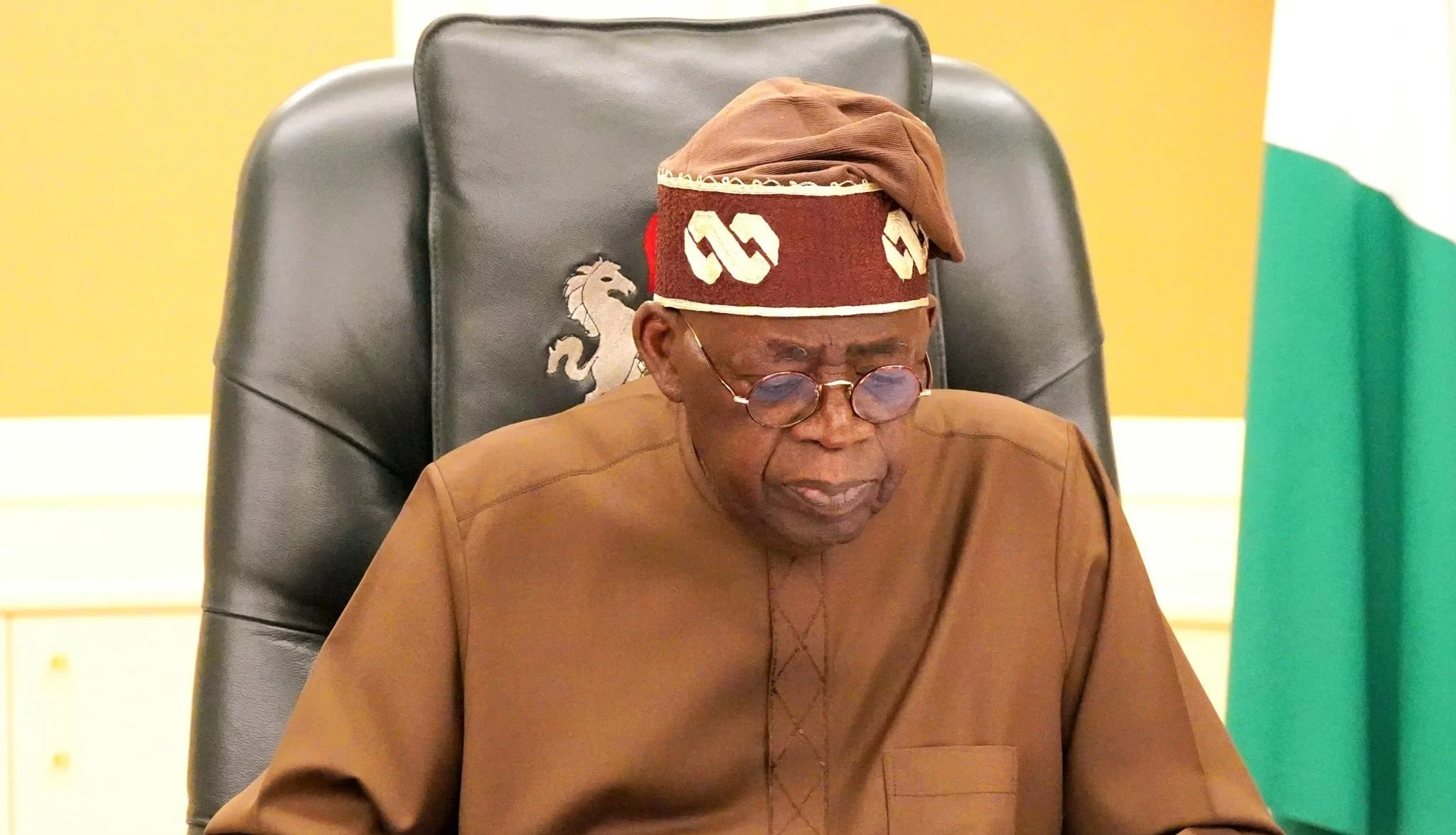
Bola Tinubu has signed the Electoral Act, 2022 (Repeal and Re-Enactment) Bill 2026 into law, just one day after its passage by the National Assembly, igniting fresh concerns over electoral transparency ahead of the 2027 general elections.
The signing, which occurred on Wednesday, February 18, 2026, caps weeks of intense debates, procedural wrangling, and public protests centered on the transmission of election results.
Critics argue that the bill’s provisions fall short of guaranteeing real-time electronic transmission of results from polling units to the Independent National Electoral Commission’s (INEC) Results Viewing Portal (IReV), a demand widely supported by civil society groups and opposition voices following controversies in the 2023 polls.
The National Assembly’s handling of the bill drew accusations of irregularities, including abrupt reversals of earlier positions, disputed voice votes, and a controversial division in the Senate that favored retaining manual transmission as a fallback in cases of network failure.
In the Senate, proceedings turned chaotic during clause-by-clause consideration of the bill
Senator Enyinnaya Abaribe (ADC, Abia South) raised a point of order on Clause 60(3), challenging a proviso that allows Form EC8A (manual result sheet) to serve as the primary basis for collation and declaration if electronic transmission fails due to communication issues
Abaribe demanded a division, leading to a rowdy session marked by objections, brief confrontations, and a closed-door consultation.
Senate President Godswill Akpabio presided over the division, where senators physically stood to indicate their positions.
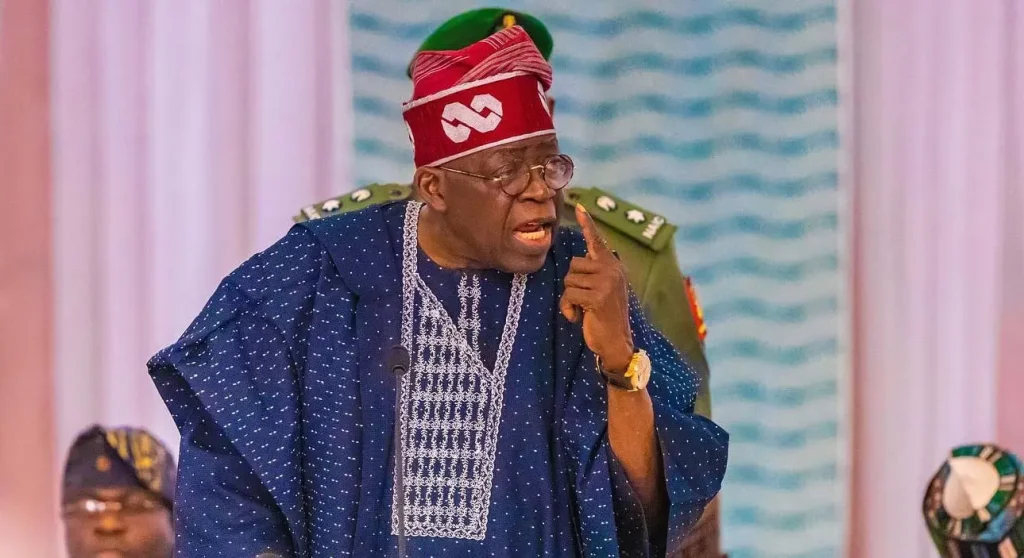
Fifteen opposition senators opposed the provison, while 55 supported it, allowing the clause to stand.
Opposition lawmakers accused the leadership of procedural manipulation, with claims that earlier decisions were rescinded to align with the majority view
Similar tensions unfolded in the House of Representatives. A motion to rescind the House’s earlier passage of the bill—which had mandated compulsory real-time electronic transmission—was moved to harmonize with the Senate’s position.
Despite louder “nays” during a voice vote, Speaker Tajudeen Abbas ruled in favor of the “ayes,” prompting protests and an executive session.
The final harmonized bill mandates electronic transmission of results by presiding officers after signing and stamping Form EC8A, but includes a proviso permitting manual processes in the event of technical failures.
This hybrid approach has drawn criticism for potentially opening avenues for manipulation, with former INEC officials and civil society organizations warning it could undermine electoral integrity and erode public trust.
Protests outside the National Assembly complex in the days leading up to passage highlighted public frustration, with demonstrators demanding unconditional real-time transmission to prevent rigging.
Some stakeholders described the developments as a setback for democratic reforms, while supporters argue the provision accounts for infrastructural challenges in remote areas.