



₦17bn Solar: Has Tinubu Literally Told Nigerians To Sort Themselves Out After Disconnecting Aso Villa From National Grid Following Years Of Failed Promises?
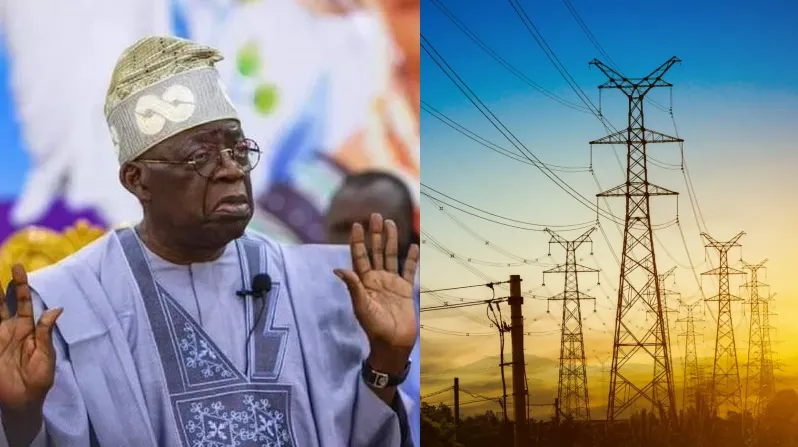
“If I don’t give you constant electricity for 4 years, don’t vote for me when I come back for second term” That was the promise the then presidential candidate of the All Progressives Congress (APC), Bola Tinubu made to Nigerians during his campaign, a commitment many say has now undoubtedly become a bitter irony.
Addressing his supporter at a programme tagged “Business Lunch with Asiwaju,” the former Lagos State Governor said “By all means, you must have electricity and you will not pay for estimated billing anymore. A promise made will be a promise kept. If I don’t keep the promise and I come back for a second term, don’t vote for me. That is the truth, unless I give you adequate reasons why I couldn’t deliver.”
Following what was one of the most disputed elections in the country, Bola Tinubu was declared the winner of the 2023 presidential elections by the Independent National Electoral Commission INEC meaning a significant number of Nigerians had no choice than to take him at his word and trusted his promise.
However, years into his administration, the nation’s electricity sector remains in crisis, evidence point to systemic corruption and mismanagement as the twin culprits behind the failing sector.
Billions of naira earmarked for infrastructure upgrades, generation capacity expansion, and maintenance contracts have allegedly been misappropriated or poorly utilized, leaving power plants underfunded and transmission lines in disrepair. Inflated contracts, ghost projects, and opaque procurement practices have deepened the crisis, undermining public confidence in the government’s ability to deliver basic services.
Recently, the Socio-Economic Rights and Accountability Project SERAP urged Bola Tinubu to order an immediate investigation into allegations that over ₦128 billion in public funds is missing or was diverted from the Federal Ministry of Power and the Nigerian Bulk Electricity Trading Plc.
The so to say ‘’missing’’ or maybe I should say stolen funds was cited in the findings contained in the 2022 annual report of the Auditor-General of the Federation, published on September 9, 2025.
According to excerpts from the Auditor-General’s report cited by SERAP, the Ministry of Power allegedly failed to account for over ₦4.4 billion transferred to the Mambilla, Zungeru and Kashimbilla project accounts, with “no evidence of how the funds were expended.”
The report also flagged ₦95.4 billion paid to contractors without documentation or proof that the projects were executed, as well as ₦33.5 million spent on foreign travels without approvals from the Secretary to the Government of the Federation or the Head of Civil Service.
SERAP also listed other questionable expenditures such as the over ₦230 million spent on the GIGMIS platform, ₦282 million in non-personal advances allegedly exceeding statutory thresholds, and multiple payments lacking approvals or supporting records.
While consistent failures of Nigerian governments since 1999 to address the poor power sector cannot be left out outrightly, the Tinubu government incompetence to rid the sector of corruption and constant failure is mind-blowing.
Since assuming office in 2023, if there is something the Tinubu government has done well in the enrgey sector, it will surely be his failure to stabilise Nigeria’s fragile electricity system. Under this current government, the national grid has collapsed at least twelve times between mid‑2023 and late 2024. These failures include multiple full grid breakdowns throughout 2024 alone, highlighting the persistent instability of the country’s power supply.
In early 2026, the situation has continued, with the grid collapsing on more than one occasion within a single week, further underscoring the chronic vulnerability of Nigeria’s electricity infrastructure. While grid collapses have been a recurring problem over the last decade, the period under Tinubu has seen a notable concentration of failures, drawing public attention and criticism toward the administration’s handling of the power sector.
The consequences for citizens are severe. Businesses face operational losses, hospitals struggle to maintain critical services, and households rely increasingly on expensive private generators. These consequences have also led to loss of lives, jobs and means of livelihood for a lot of citizens.
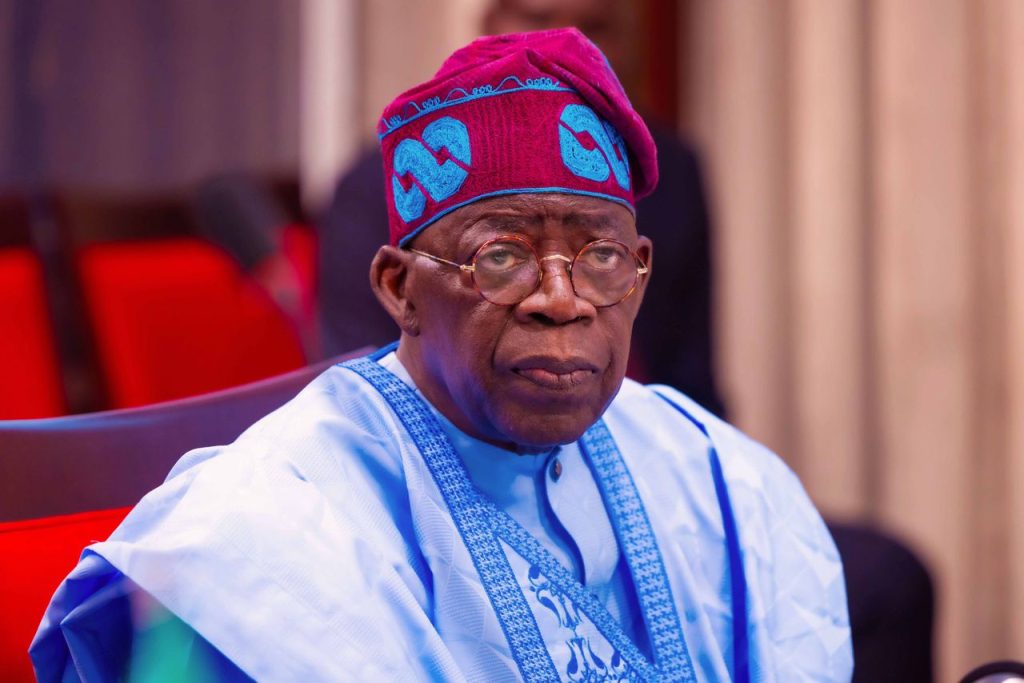
As citizens continue to beg for dividends of democracy under Tinubu, the government in its usual way of being insensitive to the plights of citizens recently announced plans to disconnect Aso Rock Villa from the national grid in March 2026, following the completion of a ₦17bn solar power project designed to supply energy to the State House.
The ₦17 billion solar project intended to power Aso Villa stands as a stark symbol of the Tinubu administration’s approach to public service delivery. While the presidential residence benefits from such high-profile initiatives, ordinary Nigerians continue to grapple with erratic electricity, persistent blackouts, and skyrocketing costs.
The project underscores a troubling message: if the government prioritizes costly, elite-focused interventions while leaving the majority in the dark, citizens are effectively being left to fend for themselves.
In the eyes of many observers, the ₦17 billion solar installation is less a solution and more a testament to misplaced priorities, revealing a government more invested in appearances than in fulfilling the fundamental needs of its people. The contrast between the privileged insulation of the presidency and the daily struggles of Nigerian households paints a clear picture of neglect and systemic inequity in the nation’s power sector.
As Nigeria now moves towards another election to elect new set of leaders to pilot the country’s affairs, the Tinubu administration now faces a critical test. Delivering on electricity promises is no longer a democratic obligation but rather political talking point that has been betrayed.
Under the Tinubu administration, reforms promised during the campaign including investments in renewable energy, modernization of the transmission network, and measures to reduce theft and wastage is dying a self-inflicted death.
While the minority continue to enjoy a ₦17 billion solar project, the majority remain in the dark, Nigerians must see this moment as one for reflection and always remember to hold their leaders accountable, scrutinize campaign promises, and ensure that governance delivers tangible results for the people. The choices made at the ballot box must consider performance, transparency, and commitment to public welfare, ensuring that leaders are answerable for their pledges.