




While Nigerians Live In Darkness, Suffer Businesses Collapse Due To Persistent Blackouts, Tinubu Govt Disconnects Aso Villa From National Grid After Completing ₦17bn Solar Project

As Nigerians continue to endure persistent blackouts that cripple homes and businesses, the Bola Tinubu government is set to disconnect Aso Rock Villa from the national grid in March 2026, following the completion of a ₦17bn solar power project designed to supply energy to the State House.
The move comes at a time when millions across the country face prolonged electricity outages, causing businesses to collapse and daily life to be disrupted.
While the Villa now enjoys stable, uninterrupted power from its solar installation, ordinary citizens continue to struggle with unreliable supply and soaring energy costs.
State House Permanent Secretary, Temitope Fashedemi made the revelation on Wednesday while defending the State House 2026 budget before the Senate Committee on Special Duties at the National Assembly complex in Abuja.
He told the committee, chaired by Senator Kaka Lawan (Borno Central), that the solar installation was completed towards the end of 2025 and had been undergoing testing since December.
“We are hopeful that maybe by March we’ll be able to do a full cutover,” Fashedemi said, adding that the transition would deliver significant cost savings for the government.
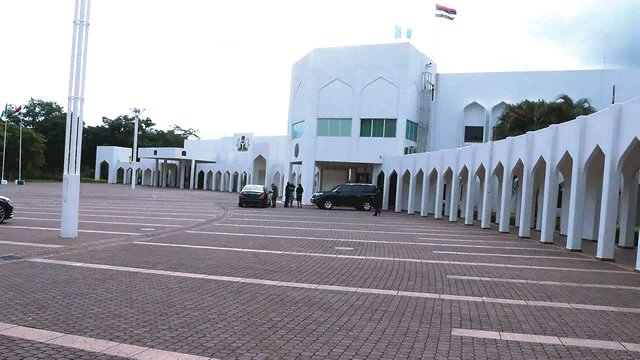
The facility, he argued, completed its own solar installation in May 2025 and has since operated entirely without generator power.
He stated, “I have to say that since that time, the generator in that State House Medical Centre has not been put on for one minute since May last year.
READ ALSO: Blackout Across Nigeria As National Grid Collapses For Second Time In Four Days
“Only a couple of months, we used three per cent from AEDC (Abuja Electricity Distribution Company), so the rest has been strictly from the solar and from the battery electric storage system.”
The Federal Government budgeted N10bn for the “Solarisation of the Villa with Solar Mini Grid” project in 2025.
However, the 2026 Appropriation Bill contains an additional N7bn allocation for the project making it a total of ₦17bn expended on the project.