




Falana Slams Nigerian Military For Admitting “Coup Plot” Without Apologising To Public For Initial Deception
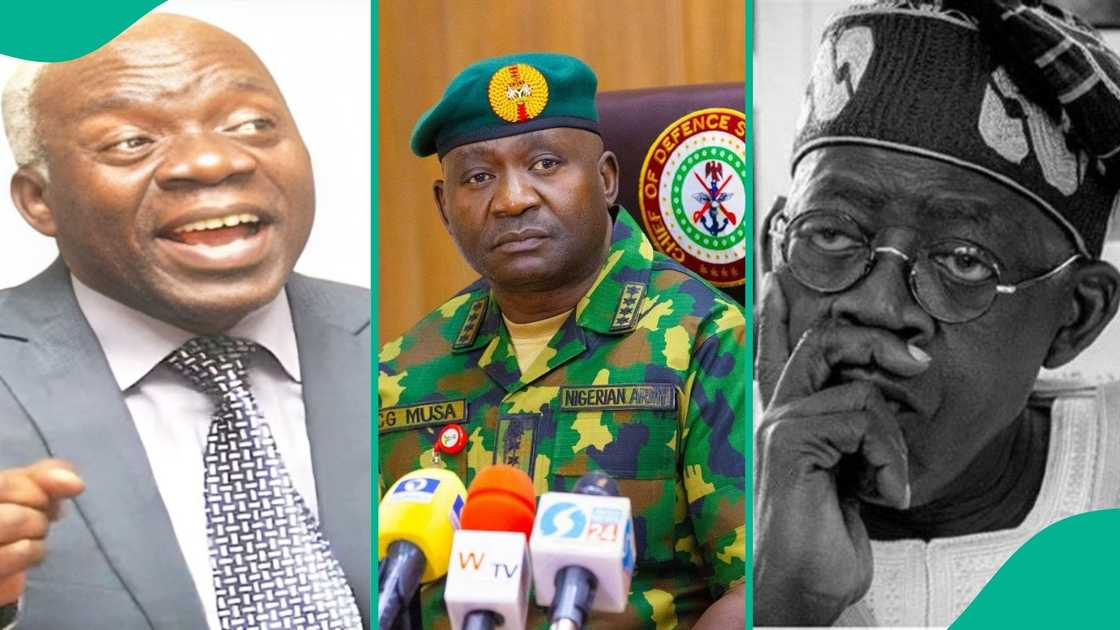
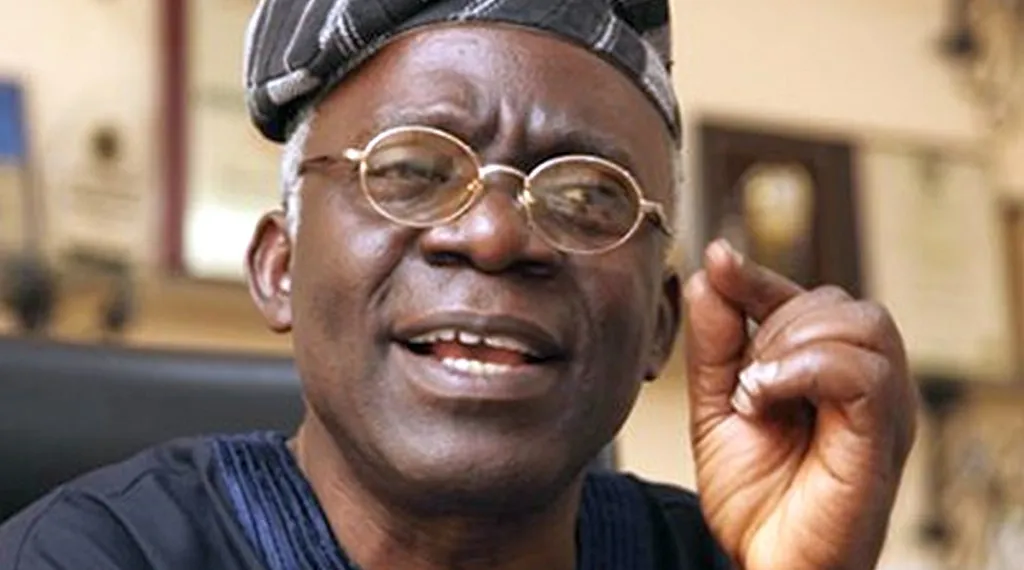
Human rights lawyer, Femi Falana, SAN, has sharply criticised the Nigerian military, accusing it of deliberately misleading the public over the alleged coup plot involving serving officers.
Falana’s comments came after the military announced on Monday that some officers would face a military judicial panel over an alleged plan to overthrow the government—more than three months after it had dismissed reports of any coup-related activities.
In October 2025, repports revealed that several military officers had been arrested by the Defence Intelligence Agency (DIA) in Abuja over an alleged plot to topple Bola Tinubu’s government.
The DIA, established in 1986, serves as Nigeria’s primary military intelligence body, tasked with gathering intelligence to counter security threats, safeguard national integrity, and support military operations, including ongoing campaigns against terrorism and insurgency.
At the time, top military sources disclosed the names and departments of some senior officers detained in connection with the alleged plot.
Speaking on Channels Television on Tuesday, Falana said the military’s latest admission proved that Nigerians had been deliberately misled.
“Yesterday, the military authorities ought to have apologised to Nigerians. People in authority must learn to take us seriously as a people,” he said.
He described the reversal of such a serious position without an apology as unacceptable.
“If you had made a statement three months ago that there was no coup plot and, in the course of your investigation, discovered that the matter went beyond indiscipline, you ought to have apologised to the Nigerian people.”
Falana argued that a public acknowledgment of the earlier denial, followed by an apology, would have been a more honourable and responsible approach. He expressed hope that the military would still tender one.
Beyond accountability, Falana questioned the legality of trying the detained officers before a court martial.
According to him, a court martial would only be appropriate if the matter was strictly one of indiscipline.